2024 Nature Camp Monument Days Kick-Off

By Emily Cochran

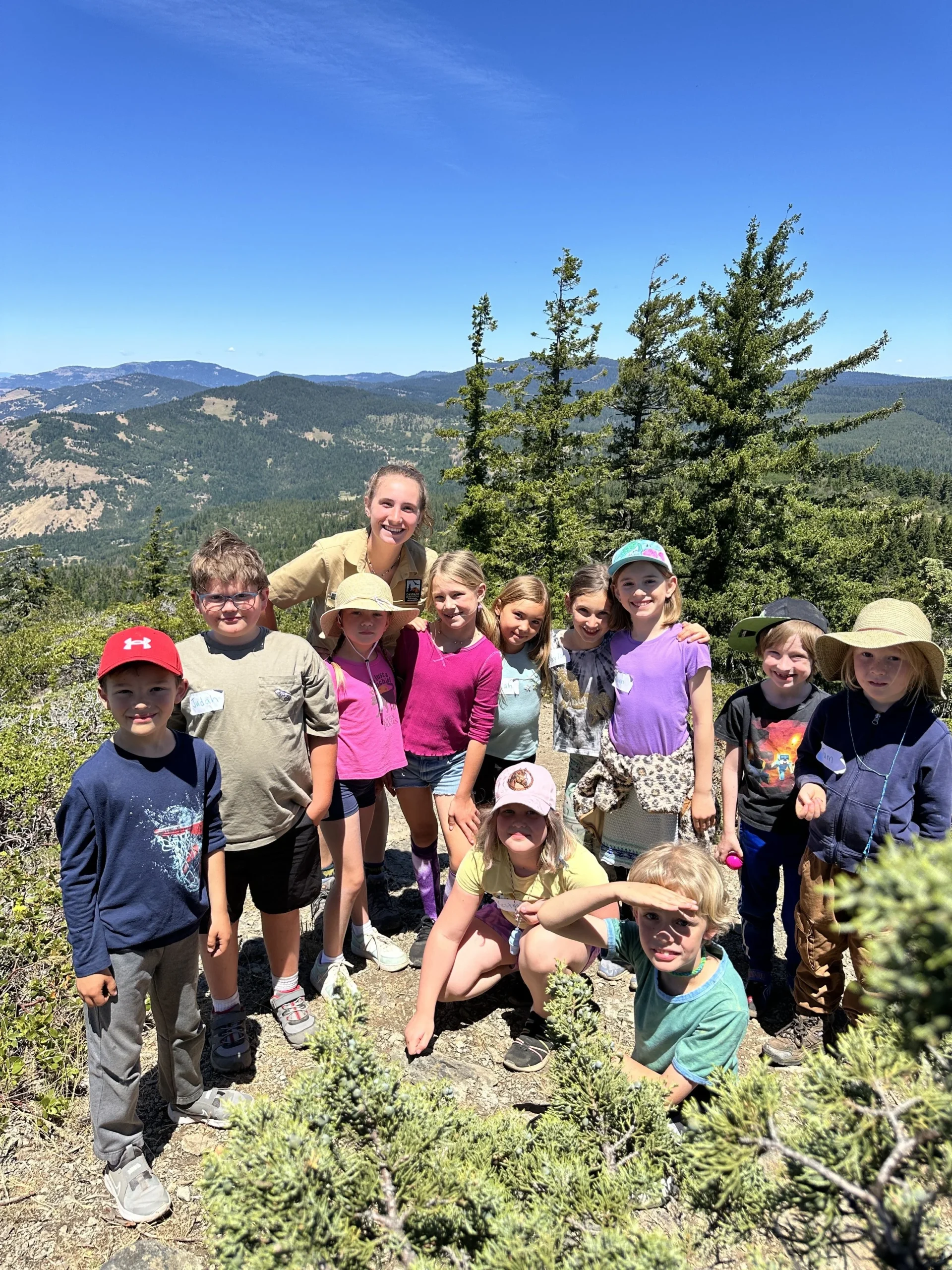
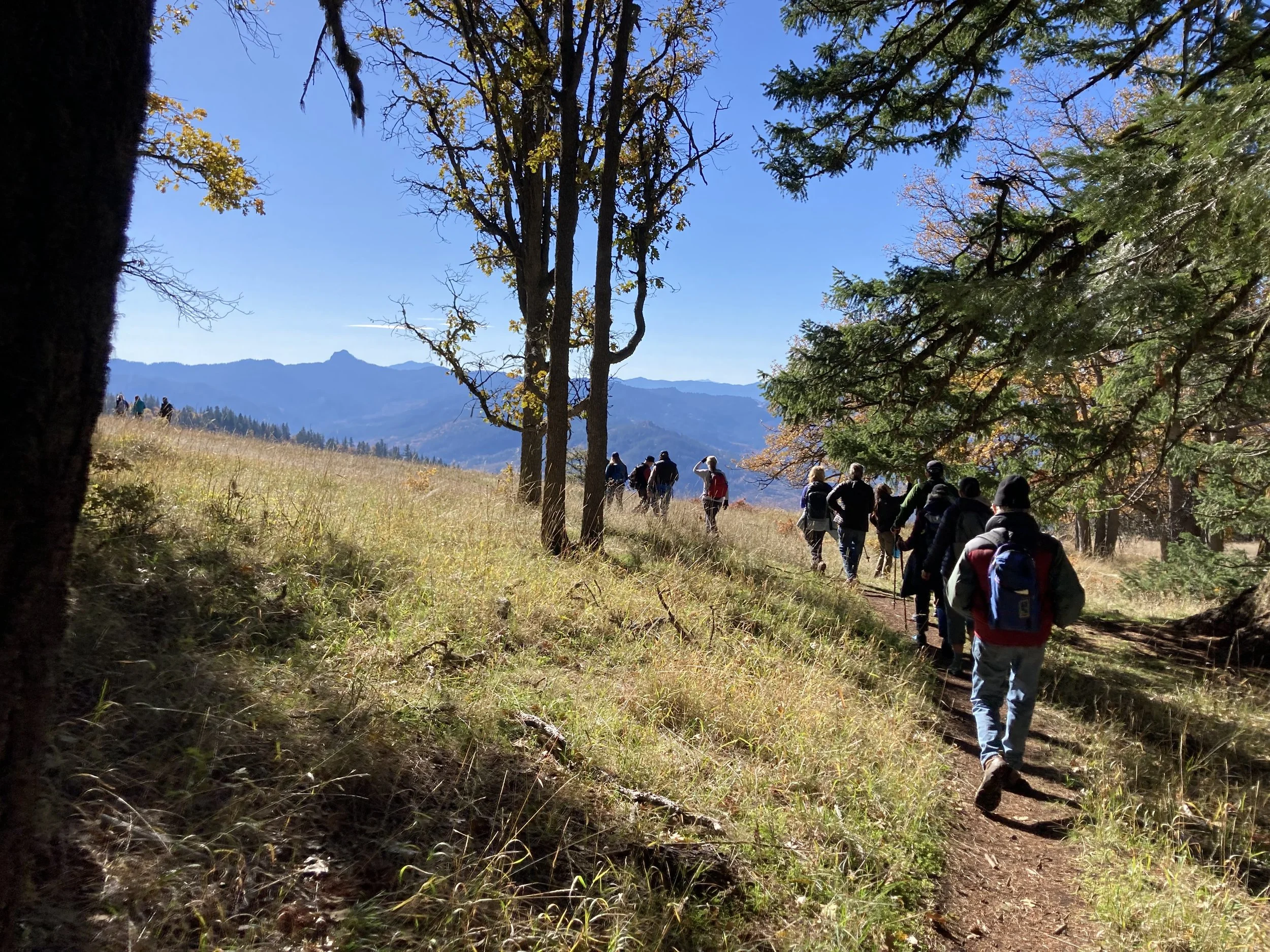
The first Monument Day was a success! On Wednesday, June 19, students from The Crest Nature Camp at Willow-Witt Ranch visited the Cascade-Siskiyou National Monument for a day of sun and fun! Thirty-two students, ranging in ages from 6 to 11 years, trekked through fields of wildflowers and lush conifer forests. 

Rangers Nora and Emily led hikes up Hobart Bluff, with great views of the Cascade and Siskiyou Mountains as well as the Klamath Basin and Rogue Valley. From the peak were great vistas of Pilot Rock and Soda Mountain Wilderness within the CSNM. Along the way, students made use of their nature journals to connect more deeply to nature. Great places to stop and take in their environment provided opportunities for mindfulness and connection. 

We also explored the trail as naturalists, learning about the different habitats and tree species. We began through natural stands of white fir and Ponderosa pine, with more whimsical white and black oaks as we got lower in elevation and neared riparian areas. Above the tree line the aspect changed; we were now in the western extent of the Great Basin. Students studied juniper and sagebrush foreign to most of the valley. At the summit we enjoyed a feast for our hungry bellies and an eagle-eye view.

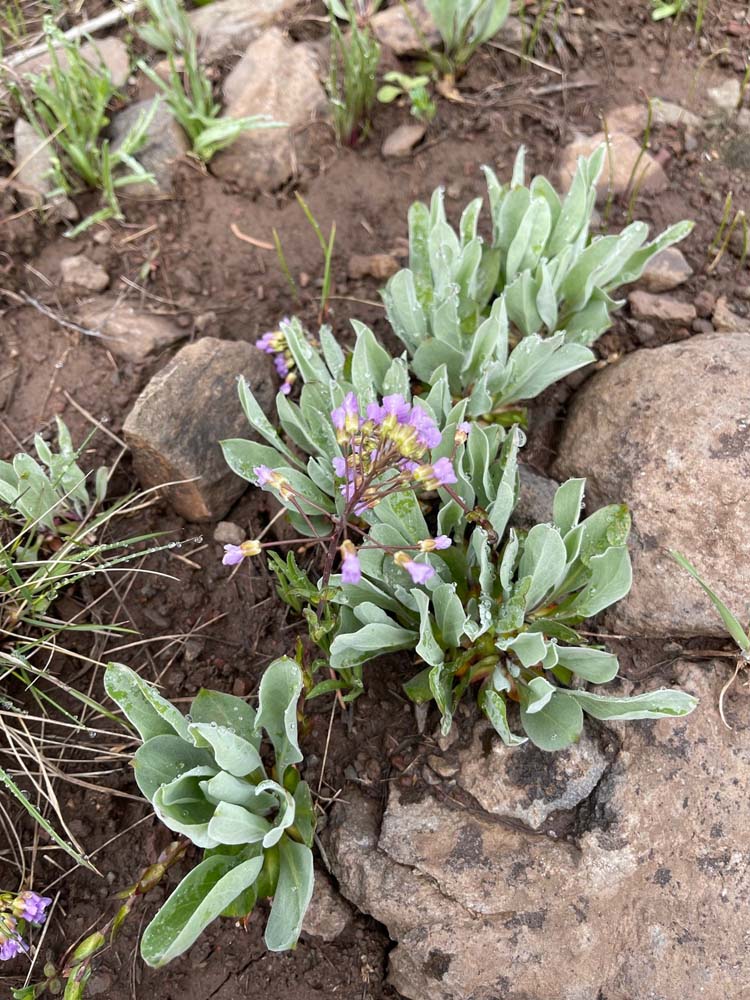
On the descent, we enjoyed trail games such as color matching since our ecosystem is nature’s canvas. Especially plentiful were the wildflowers. There were beautiful scenes of greens, reds and blues. We even passed a lovely slope full of the yellow Oregon Sunshine. Of course, with all the flowers, pollinators were a plenty. Grasshoppers, beetles, and butterflies, oh my!

After our hike, students participated in arts & crafts to flex their creative muscles. They made dragonfly pins from various household items. As a mixed age group, we helped each other make a buzzing menagerie of dragonflies. All in all, a really enjoyable day to spend in the summer. ?

Beaver Scavenger Hunt

By Zaynab Brown

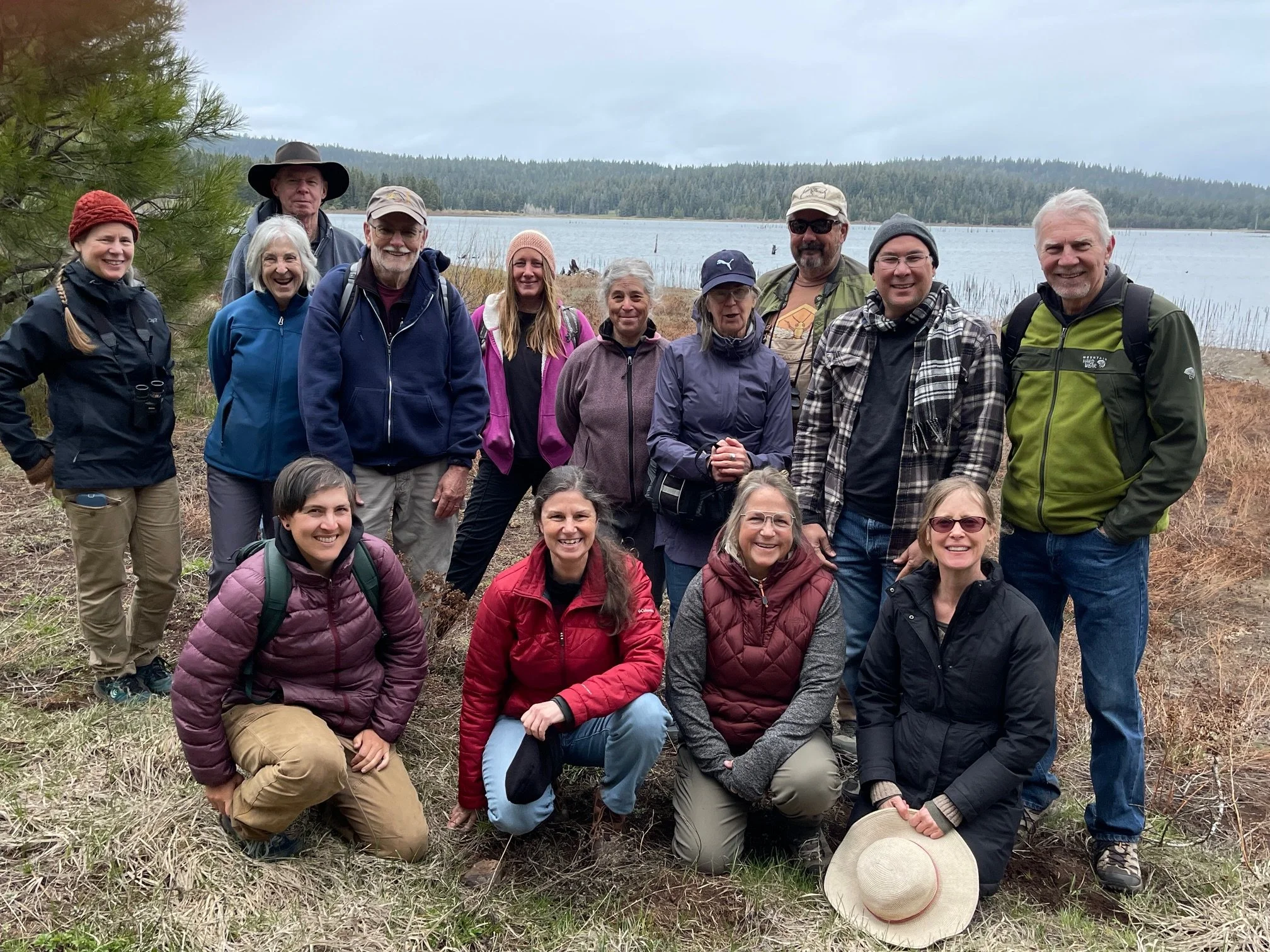
On Saturday, June 1st, 2024 almost 50 volunteers converged at Pinehurst School in the Cascade-Siskiyou National Monument. This nature-loving group, made up of students, professionals, and retirees aged 19 – 80 years, was there for one purpose: to look for signs of beavers. 

While Oregon might be considered the Beaver State, beavers are conspicuously absent in many of our local waterways, including the Cascade-Siskiyou National Monument. Waterways under beaver management not only create vibrant and healthy habitats for wildlife, but result in improved water quality and quantity, better climate resilience, and wildfire protection for humans. However, as is the case with many broken things, the process of destroying it is often easier than putting it back together. The same can be said for getting beavers back into the Monument. 

Despite the Monument supporting a vibrant beaver population for millennia, rampant trapping for economic gain by European colonists severely decimated their population throughout the American West. As time passed and harvesting beaver pelts no longer provided financial incentive, different pressures moved in to make re-establishment a challenge. These challenges include conflict with humans over agriculture, ornamental landscaping, and infrastructure such as roads, ditches and culverts, as well as water diversion for irrigation and hunting and trapping for sport. 

As with every challenge though, there are people and organizations willing to meet it head-on. One of these organizations in Southern Oregon is Project Beaver, a nonprofit that works to nourish a world where humans partner with beavers for the resilience of our planet. Led by their executive director, Jakob Shockey, Project Beaver with input from the Bureau of Land Management (BLM) created the Beaver Management Plan for the Cascade-Siskiyou National Monument. In the plan, a strategy is laid out for attracting and retaining beavers in the landscape through the use of riparian restoration techniques. In order to most effectively focus restoration efforts, it is important to have an accurate baseline for where beavers are (and where they are not) and what they are currently doing. This is where the Friends of Cascade-Siskiyou National Monument and the Beaver Scavenger Hunt came in.

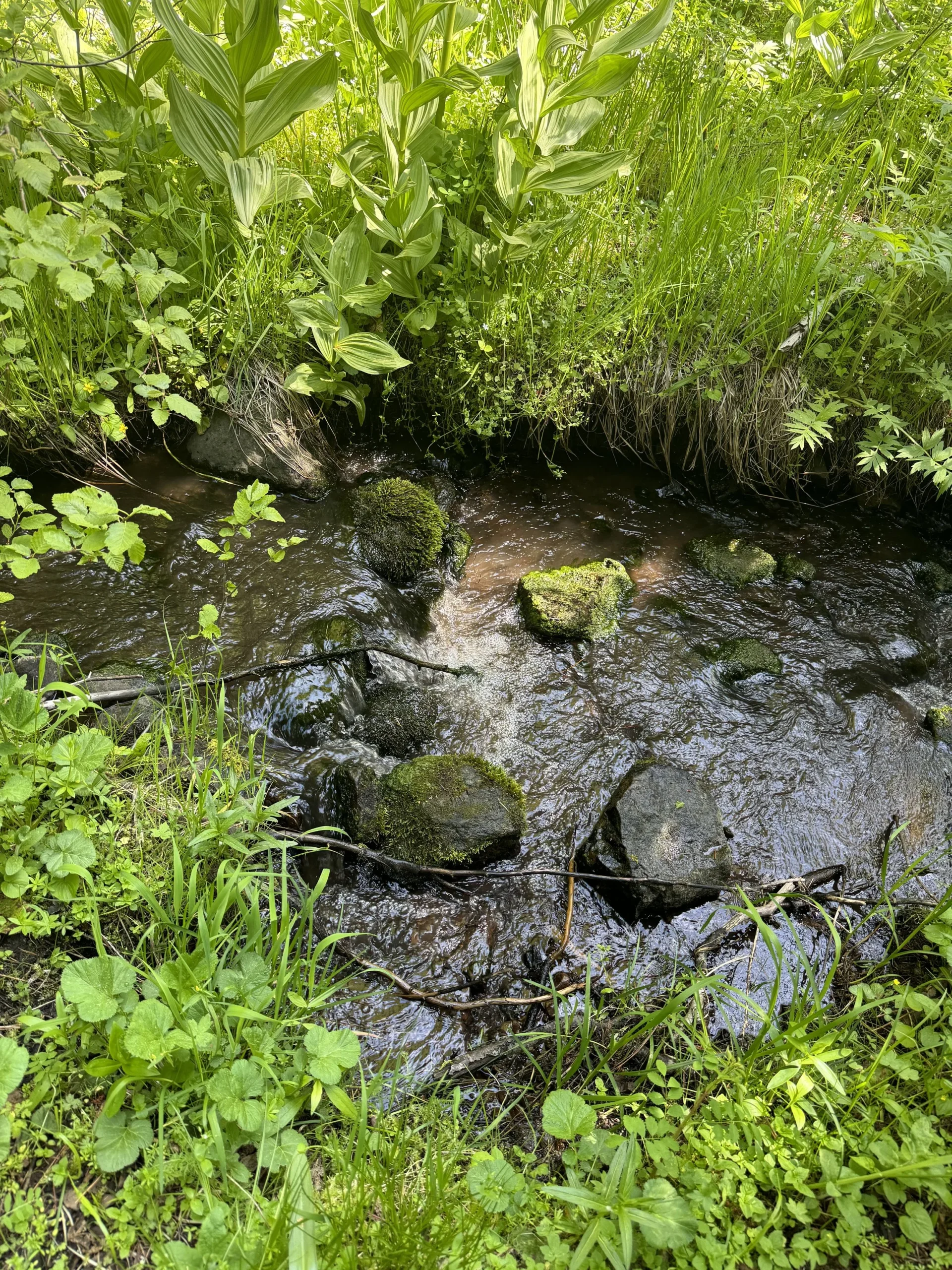
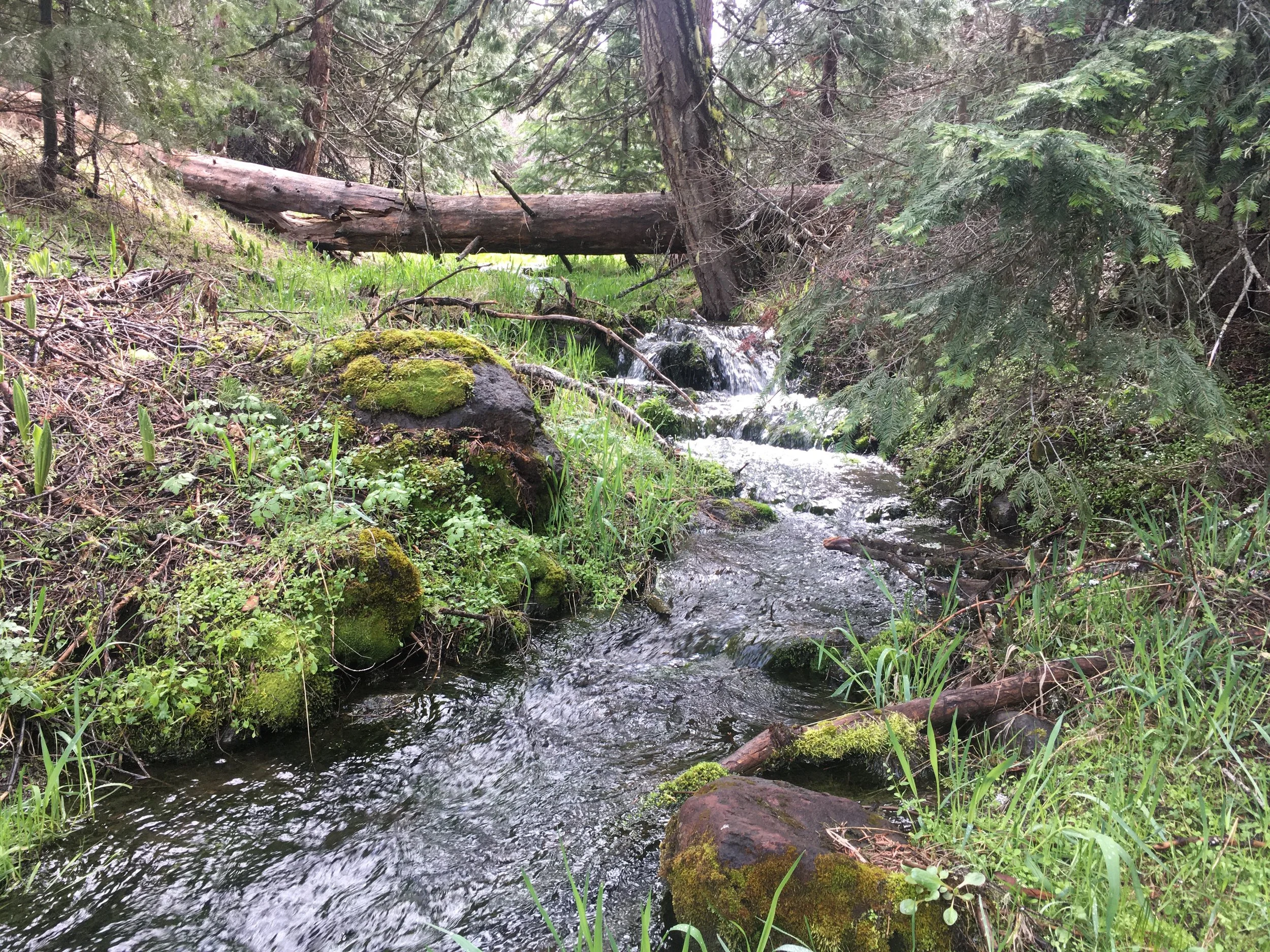
From Pinehurst School, we organized small teams of 3-5 people dispersed to pre-selected sites chosen for historic and present beaver habitat suitability. Armed with data collection tools, they searched approximately 12 miles of waterways through dense vegetation, precarious slopes, and uneven ground. Walking along a riparian corridor is very different from an established trail. While many aspects are more difficult, such as bushwacking and dealing with deep, incised streambeds, the benefits are an unparalleled view of the wildness of the Monument. As Jakob Shockey said “Rarely do grown-ups have an excuse to spend all day playing in the water looking for beaver sticks, let alone 50 of them.”  

Once everyone returned to Pinehurst in the afternoon, tired but refreshed by the beautiful weather and sense of accomplishment, we all gathered around to hear the discoveries that each group made. Building on previous riparian restoration efforts, including the installation of beaver dam analogs, teams reported fresh beaver signs in several key locations. In fact, some teams found so much sign that they were unable to complete their entire route as chewed sticks and stumps emerged from every bend in the creek. While this was not the case with every group, all reported on the beautiful forests and meadows they happened across including impressive old growth trees in some locations as they ventured off the beaten path. 

The data collected was sent to Project Beaver where it is being reviewed and will directly impact future collaborative and process-based restoration to put beavers in charge of the Cascade-Siskiyou National Monument’s waterways once again. While it was heartening to find fresh sign, there is still a long way to go as the number of beavers in the Monument pales in comparison to what is needed to revive our riparian areas and reap their benefits. There has been recent legislative progress to protect beavers in Oregon, but it is still legal to hunt and trap them within Monument boundaries. The Beaver Scavenger Hunt is just step one in a long-term, collaborative effort to help beavers do what they do best to the benefit of us all. 

While the Beaver Scavenger Hunt was a huge success, that still leaves the question of what is next. We at the Friends are continuing to center the stewardship of our riparian areas as we look toward the future and the implementation of projects to make the Monument a refuge for beavers and all the biodiverse creatures that call it home. We will continue to collaborate with other organizations taking part in process-based restoration projects and carrying out the Beaver Management Plan. Stay tuned for more adventures in the Monument to look for the fruits of our labor –and maybe a chance to play in the water!

Plumbing the Cascade-Siskiyou National Monument

By: Zaynab Brown

Mark Twain is famous for saying “Whiskey is for drinking and water is for fighting over” and that couldn’t be more true than it is in the present moment, especially in the Western United States. What started during European settlement as a feeling that the vast amount of water in the west could never be depleted has transformed into a point of tension and anxiety. Our need for water increases year after year while climate change simultaneously upends our norms while the Earth grows hotter. Predictably, humans react by trying to bend nature to our needs. In Oregon and California, and around the world for that matter, this manifests itself in epic engineering feats to dam mighty rivers and divert their water to irrigate millions of acres of otherwise dry farmland and to provide drinking water and fill swimming pools in growing suburban enclaves. This trend is also true for the waterways within the Cascade-Siskiyou National Monument.

All throughout the Monument you can observe evidence of the “plumbing” so ubiquitous in the west. Various dams and reservoirs –such as Howard Prairie Reservoir, Hyatt Reservoir, Keene Creek Reservoir, and Little Hyatt Reservoir– throw splashes of human-augmented blue over the landscape. While they may provide recreational opportunities, meadows that were once wet grow parched in the summer and streams can no longer support beaver dams with their reduced flows. Now, more than ever, everything comes at a cost.

Most of the water that flows through the creeks and streams of the Monument originates from springs and snow melt. However, much of that water is diverted before it can reach its historic destinations and ends up in the Talent Irrigation District (TID) system that provides irrigation water to a large part of the Rogue Valley to the tune of billions of gallons per year. In fact, water that flows in Keene Creek would naturally flow into the Klamath River watershed. However, a diversion results in that water jumping watersheds into the Rogue River watershed instead. In light of the dam removals underway on the Klamath River, it is unlikely that this diversion will remain uncontested into the future.

On Friday evening, April 26, John Schuyler, a retired forester, gave us a broad view of the history of water policies and infrastructure in the West to inform our understanding of the current situation in Southern Oregon and Northern California. From the Hetch Hetchy reservoir to the Hoover Dam, the theme of human hubris clashing with the reality of water scarcity was found throughout. On Saturday, when a group of participants ventured out into the Monument to see this “plumbing” in person, the irony couldn’t be ignored as we walked along the PCT adjacent to Hyatt Lake. The Monument, designated for its incredible biodiversity and wild character, could not escape the pervasive touch of humans intent on extracting its resources via concrete dams and channels that conveyed cool, clear water into ditches irrigating greener pastures down below. 

2024 Monument Research Symposium

By: Zaynab Brown

Every year, the Friends of the Cascade-Siskiyou National Monument is delighted to award a number of grants to undergraduate and graduate students and Indigenous Americans for faculty-supervised research projects that enhance the understanding, appreciation, preservation and/or protection of the Cascade-Siskiyou National Monument. These research projects can, and have, taken many forms including in the realms of biology, environmental sciences/education, sociology, arts, humanities, and business. 

An essential component of receiving this grant is the presentation of the students’ research at our annual Monument Research Symposium. This research represents many hours spent in our beautiful Monument gathering data and then countless more analyzing it. To ask our three grant recipients from 2023 to distill all of their findings into a 20 minute presentation is no small feat, but they delivered with flying colors.

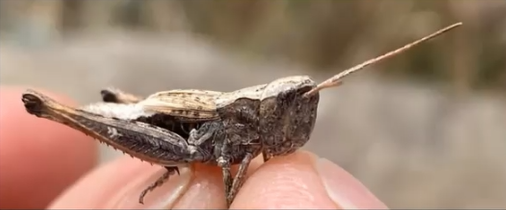
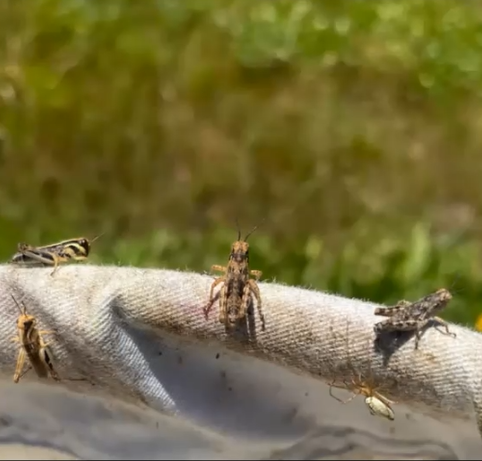
Our first presenter, Trevor Holt, is a senior biology major at Southern Oregon University. He worked with his advisor, Dr. Jacob Youngblood, to catalog grasshopper species found in the Cascade-Siskiyou National Monument and pilot a long-term monitoring program. Both of these objectives were designed to better understand grasshopper biodiversity in the Monument in the face of climate change and human development. Monitoring grasshoppers is important because they are a keystone species, the most abundant grassland herbivore, and comprise a diverse biology in many diverse habitats. When it comes to climate change in particular, we learned that grasshoppers can be an important indicator species due to the fact that all of their life stages are dependent on temperature, from hatching to feeding, movement, and population growth. With that in mind, some grasshoppers are more adept and hardy while others, such as the endemic Siskiyou slant-faced grasshopper (Chloealtis aspasma) is more vulnerable to change and to the threat of becoming isolated. With over 2000 individuals collected and identified, Trevor proved what many would have suspected: The Monument is rich in grasshopper biodiversity with over 17 species found in his study!  As the monitoring program continues into the future, Dr. Youngblood and his team hope to monitor at lower elevations and analyze the relationship between populations and weather. 

 Grasshoppers (and a spider!) perched on the edge of a collection net.   Photo by Trevor Holt
Grasshoppers (and a spider!) perched on the edge of a collection net. Photo by Trevor Holt

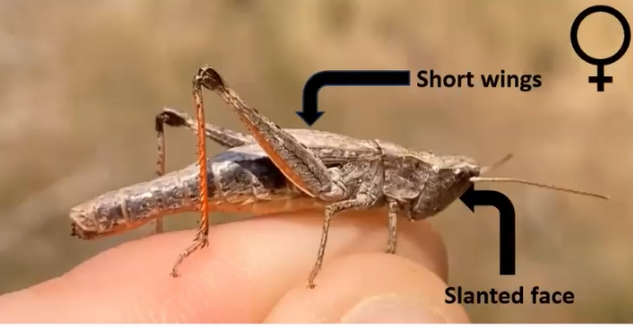
Our next presenter, Tayla Moore, used her Monument Research Grant to focus on a single grasshopper species, the aforementioned Chloealtis aspasma. Tayla is also a senior biology major at Southern Oregon University who worked with her advisor, Dr. Jacob Youngblood to map the distribution of C. aspasma and uncover its natural history. C. aspasma, as mentioned above, is also called the Siskiyou slant-faced grasshopper. While Chloealtis species are widespread in North America, C. aspasma is endemic to Southern Oregon and potentially Northern California where they are designated as a species of concern by the Bureau of Land Management and United States Forest Service. They live in open fields and meadows at high elevations and their dispersal is limited by smaller wings and their preference for high elevation, mountainous regions. In total, Tayla was able to visit 26 sites within the Monument and found C. aspasma in ten. Of these ten, five were previously undocumented populations. Unfortunately, observing this elusive grasshopper’s natural history proved to be more difficult and further research will need to be done to uncover more information on its feeding, reproduction, and thermoregulation patterns. 

  Chloealtis aspasma    Photo and annotations by Tayla Moore
Chloealtis aspasma Photo and annotations by Tayla Moore

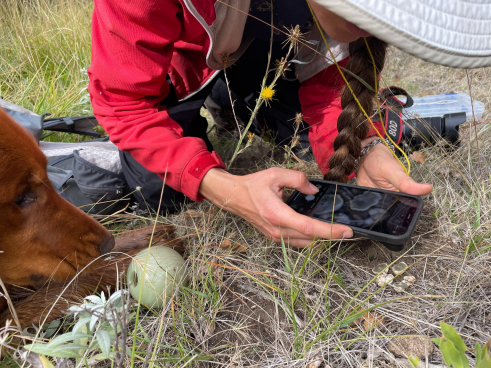
Finally, our third presenter, Hilary Rose Dawson, a Ph.D. candidate from the University of Oregon, joined us for a second year in a row to explore truffle species found in the Cascade-Siskiyou National Monument. Now, most people’s experience with truffles begins and ends in a culinary context, and while there are certainly a handful of culinary truffles found in Oregon, we also learned about the fascinating diversity of non-culinary truffles found just below the surface. These truffles have scents ranging from artificial banana to burnt rubber and serve a variety of essential ecological functions. However, humans aren’t exactly known for their sensitive noses so it was essential for Hilary –aided by her sister, Heather Dawson–to employ a canine friend named Rye. In 2023, they visited almost 30 sites in the Monument and found 57 species across 26 genera, an incredibly diverse range! Of these, 32 were not documented in genetic databases making them potentially undescribed species. Hilary hopes to finish sequencing and finalizing the list of truffle species found in the Monument and ultimately publish a paper on the Cascade-Siskiyou National Monument’s truffle diversity and a case study on how truffle dogs can be used in truffle research.

 Heather Dawson photographs a  Hysterangium  truffle while Rye waits for her to throw the ball again. Photo by Hilary Rose Dawson
Heather Dawson photographs a Hysterangium truffle while Rye waits for her to throw the ball again. Photo by Hilary Rose Dawson

  If you are interested in learning more about these projects, the symposium can be watched in its entirety on our YouTube channel at https://www.youtube.com/@friendsofthecascade-siskiy4103

With our 2024 Monument Research Symposium a resounding success, we are looking forward to getting to experience the unique projects that students will propose for this coming grant cycle. Applications are now open and information can be found at https://www.cascadesiskiyou.org/programs . The deadline for applications is April 26 at 11:59 PM PST.

Wildlife Tracking – 2024

By: Zaynab Brown

For most people, when we experience nature we experience it through the lens of a human. This is, of course, to be expected. However, in learning about wildlife tracking, you not only learn to differentiate between a feline and canine paw print but are also invited to see the world from the perspective of an animal. While the animal is absent, you get a snapshot into a moment of his/her life as he/she navigates the world. Maybe you observe that the animal is trotting and ask yourself “why?” or “where?” Why was it that the coyote decided to detour around the ravine and what did he find there? What did the trees look like from his perspective? Needless to say, we can’t know the true answers to these questions but in the process of considering them we may begin to look at the environment around us differently. We may notice things that before had seemed too small or insignificant to grab our attention. Suddenly, the world is much more fascinating.

To begin this fascinating journey into the world of animal tracking, we started in a classroom. Admittedly, this is less exciting than a forest floor or open plain but humans are strange creatures. Our instructor for the Friday lecture and Saturday hike was Nolan Richard, a biology teacher at South Medford High School who currently holds a Level 3 Track and Sign Certificate from Cybertracker International. 

Together, in a group of almost thirty participants, we learned to identify paw prints belonging to cats, such as bobcats and cougars, and dogs such as coyotes and foxes. We examined the subtle differences in the orientation of their pads and the presence of claws. We saw large bear tracks and discussed the differences between elk and deer. We even learned how to use our own hands to determine the left and right orientation of what had initially appeared to be identical images. Together, we examined rubbery casts of prints and attempted to identify the animal who had made them. Some were from our area, such as the skunk, beaver, and mountain lion. Others however, like the massive grizzly bear, we were unlikely to see in the Cascade-Siskiyou National Monument (or in Oregon at all for that matter!)

 Rubber-like casts of prints. #11 is a grizzly bear.
Rubber-like casts of prints. #11 is a grizzly bear.

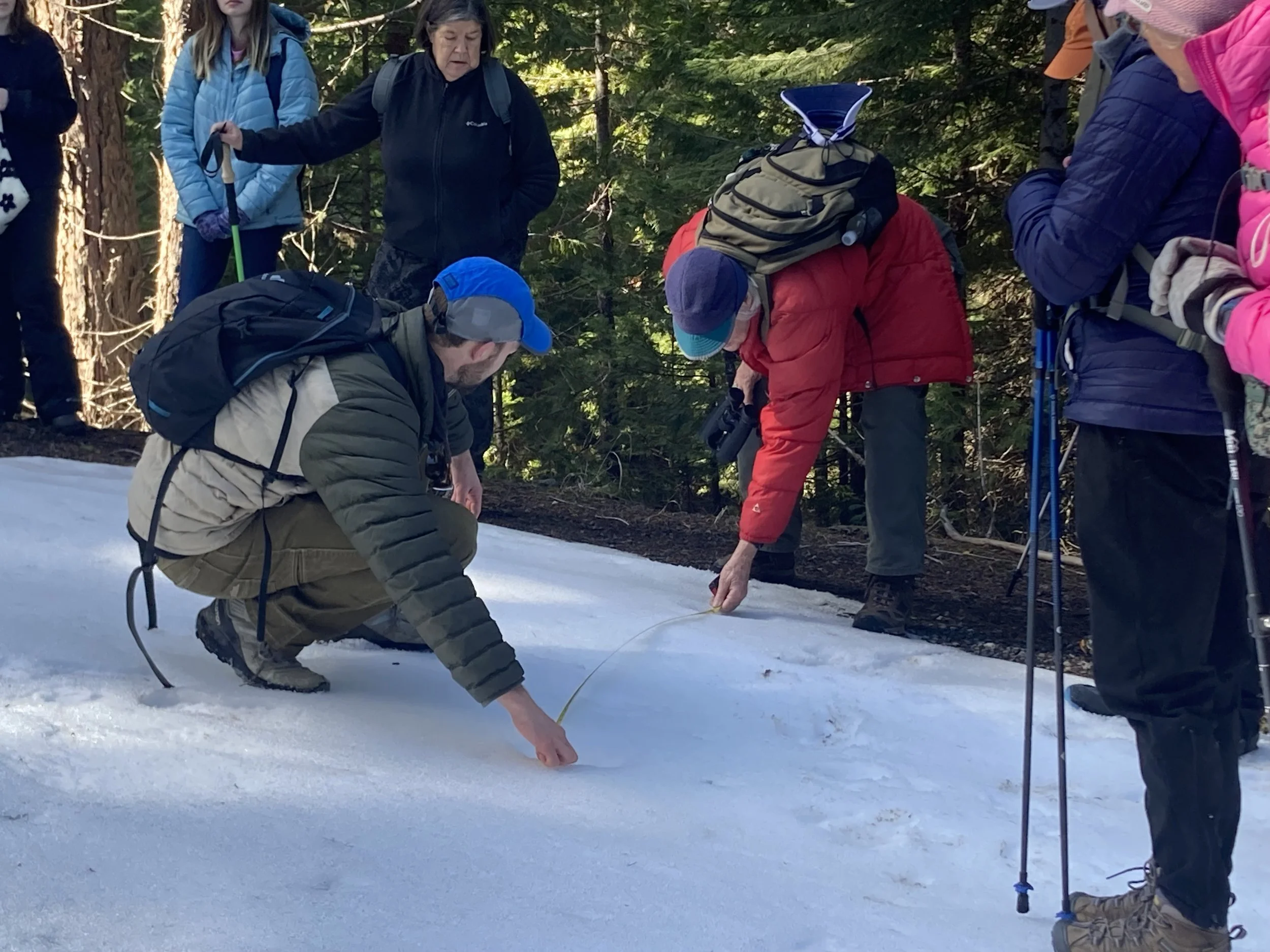
Armed with this new knowledge, we met on Saturday excited to find some tracks and put our burgeoning skills to the test. Although we quickly learned that when it comes to tracking, some conditions are better than others. In a perfect world there would be powdery snow, not too deep and not too recently fallen. We don’t live in a perfect world however and the snow we had was icy and hard. While this will allow some larger animals to still leave tracks, most animals will simply walk on top of it without leaving a trace. But this didn’t stop us and soon we found coyote tracks snaking through a small meadow and many deer tracks. These prints, while not pristine, could still tell us a story if we looked closely enough. 

An important thing to remember, especially when looking at tracks that lack fine detail, is to consider the environment around you coupled with knowledge about local species. Some species, while abundant at lower elevations –such as a skunk– are much less likely to be found at higher elevations. Or, if you are looking for snowshoe hare tracks, they are much more likely to be found around tree cover than out in the open. 

Finally, it is not only tracks that animals leave behind! There is also a whole world of “animal signs.” Perhaps most well known of the animal signs is scat, or feces. Our group discovered lots of scat when we visited Buck Prairie Two. We learned to differentiate between smaller deer scat and larger, more irregularly shaped elk scat. The scat can also tell you a lot about the diet of the animal that left it. For example, a domestic dog that primarily eats processed food will have scat that is very uniform in texture while that of a similar-sized animal such as a coyote or bobcat will usually contain fur or bones. Our group also found squirrel middens –mounds of discarded douglas fir cone debris, elk rubs, old beaver chews, holes made by a pileated woodpecker, and lots of browse. 

Near the end of our hike, we stumbled upon some of the most detailed tracks yet. Four clear toes with claws and a heel pad were starkly visible and the animal that made them was slowly plodding in a direct-register walk where the back foot directly replaced the front in the same print. Participants were suggesting a large coyote or maybe even a cougar! The answer turned out to be much more mundane. It was a domestic dog. According to Nolan, dog tracks are some of the most common you find, especially if you are at a location that humans frequent. Since domestic dogs range extensively in size and shape, it can be almost impossible to differentiate them from their wild counterparts. This is why, Nolan reminded us, that it is especially important to pay attention to your environment. Are there human boot prints nearby? Is it near a road? In these circumstances, always assume it’s a dog. 

Dog or not, I couldn’t help but imagine the way the animal saw the world as it walked through the peaceful forest and left prints in the crunchy snow. Did he/she also notice the squirrel middens and smell the elk scat, or take note of the way the snow glittered in the afternoon sun? We’ll never know but we can imagine.

Meet the Monument at Public Lands

By: Zaynab Brown

One of the things I enjoy most about working for the Friends is getting to tell people about the Cascade-Siskiyou National Monument. As I explain its size (114,000 acres) and its proximity to Ashland, people’s eyes usually widen. We live in a valley surrounded by mountains and wild places, but we often take them for granted. The fact that some of that landscape is so biodiverse that it merited federal designation is even more of a surprising fact to some. While it is possible to describe rare and endemic species, eco regions, and mountain ranges, it’s not the same as getting to see it with your own eyes. So, when words fail me, as they often do, I will direct the curious to a very special video. 

At just over 17 minutes long, it may initially seem short for a documentary. But contained within those minutes is an incredible cinematic and photographic journey of the Monument and the creatures who call it home. Sweeping drone footage is coupled with captivating shots of some of the smallest Monument inhabitants. Combined with insightful narration by Crystal Nichols, the filmmaker, it transports you to another world in our own backyard that is open to all of us to explore responsibly. Therefore, it was an easy decision to base an event called Meet the Monument around Crystal’s film.

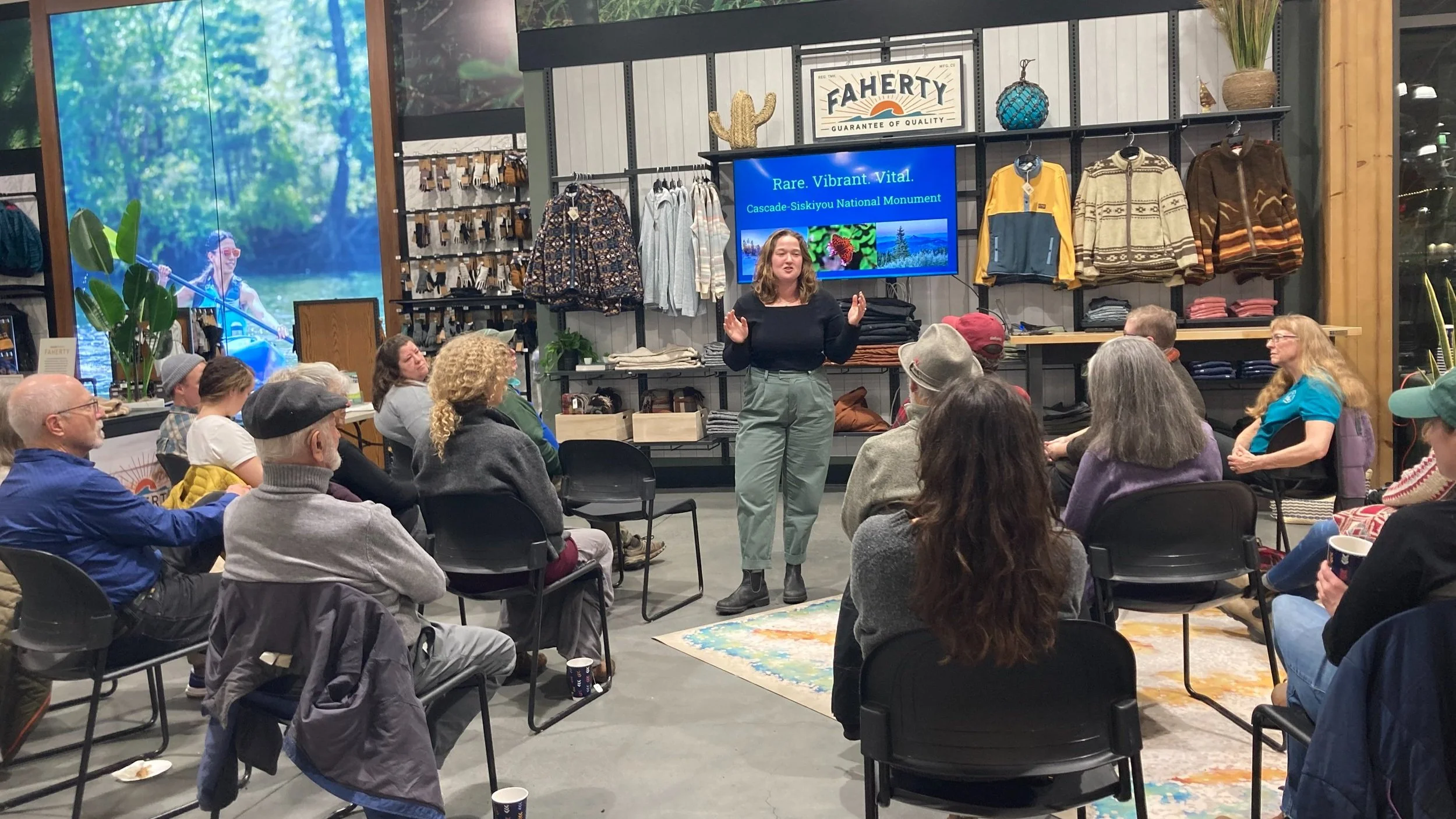
At Public Lands, an outdoor recreation and gear store based in Medford with whom we collaborated, a group of around thirty participants gathered on a Thursday evening.The crowd was made up of both Monument lovers and those who had never even heard of it. With snacks and drinks provided by the store, the film was played to a keen audience. Afterwards, Crystal took the stage, so to speak, and among the displays of jackets and ski goggles answered questions about her process of creating the film and the many adventures she had getting those perfect shots. Collette, Executive Director of the FCSNM, then shared a brief presentation on our organization and resources for exploring the Monument and getting involved.

The film itself was partially funded by the Friends Research Fund which awards small grants to university students and indigenous people that enhance the understanding, appreciation, preservation, and/or protection of the Cascade-Siskiyou National Monument. Crystal’s film certainly did just that. 

If you or someone you know is interested in applying for the 2024 grant cycle of the Friends Research Fund, the application will be opening soon and can be found under the Student Research Grants section of our website.

Exploring Conifer and Shrub Diversity on the PCT Trail with Naturalist Nolan Richard

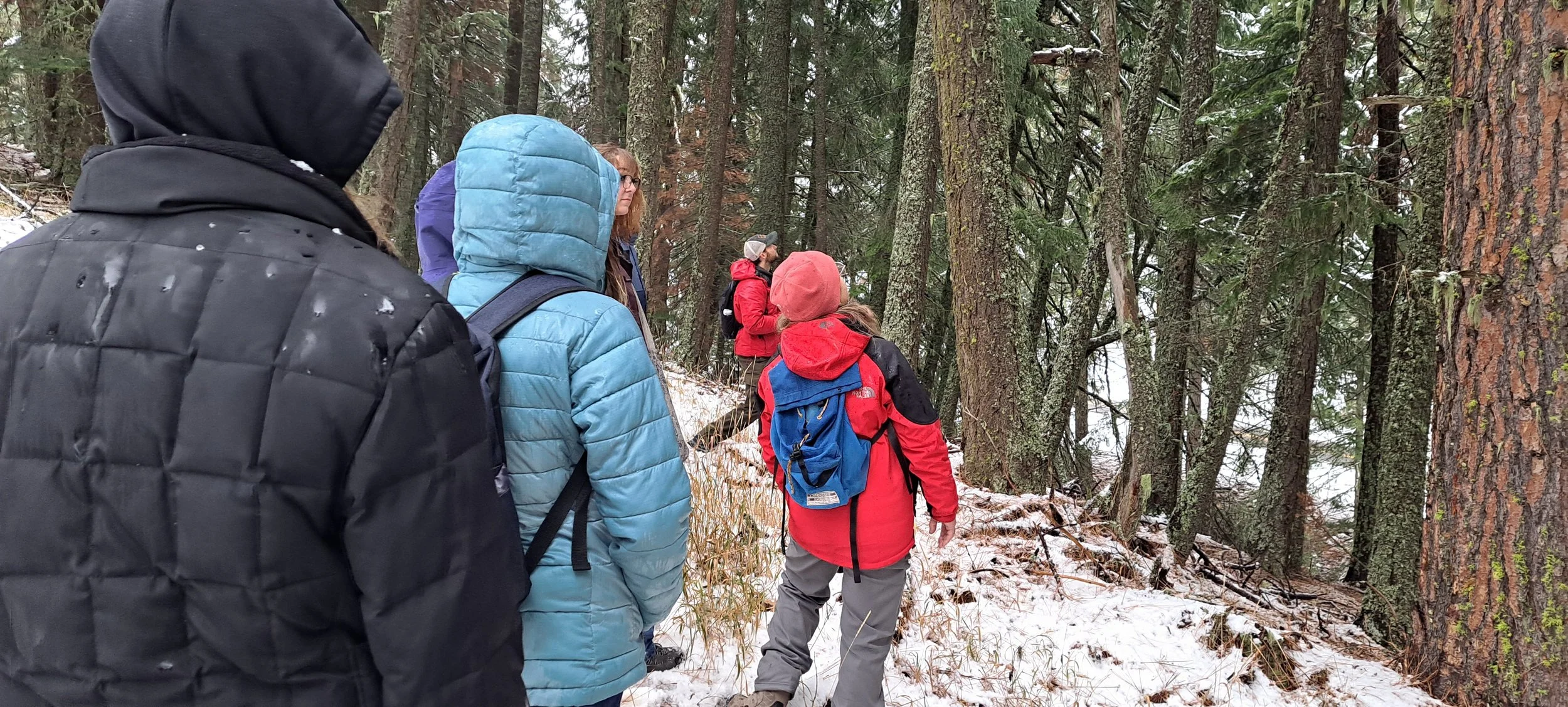
Starting in Ashland, the day was gloomy. Rain thudded down through gray skies and the chilly air nipped at our hands. Our group had high hopes the rain would become snow at the higher elevation of our destination, a section of  the PCT off of old highway 99 toward Pilot Rock. As we piled into the cars and took off, we found that slowly, the rain dissipated and sun broke through the clouds to illuminate the fresh snow along the roadside. 

Our guide and teacher for the day, Nolan Richard, a local naturalist and seasoned biology teacher, embarked on an introduction to the world of conifers and shrubs. Nolan, with a decade-long devotion to studying native plants along the West Coast, has shared his expertise in the past by teaching classes for the Native Plant Society. His deep interest in Plant Biogeography—understanding the distribution of plant species and communities—propelled our adventure.

The trees encircled us, prompting Nolan to engage us in identifying the varying conifer species that thrived in this environment. Brushing snow off a couple of saplings, Nolan showcased how to inspect needles to discern between the Grand Fir and the White Fir. As a group, we gathered around, following Nolan’s techniques to identify a White Fir displaying hybridization traits and a Grand Fir with minimal signs of hybridization. 

Our journey led us to a halt in an area teeming with a dense understory. The shrubbery, devoid of leaves and bereft of vibrant colors, posed a challenge in identification during its dormant phase. Nolan assured us that although daunting, it wasn’t impossible. With his guidance, the group keenly observed nuances in branch sizes, textures, and growth formations. Soon, we triumphantly identified snowberry, serviceberry, oregon grape, and several other shrub species amidst the subdued winter landscape.

Nolan often emphasized the importance of identifying conifers and understanding their environmental placement by asking, ‘Why are they growing here?’ In the end, our hike under Nolan’s tutelage was not merely a stroll but an enlightening journey through the diverse world of conifers and shrubs.

Fire History & Ecology of the Monument

By: Zaynab Brown

To watch a recording of Rich’s lecture click HERE

Living in Southern Oregon or Northern California, it is impossible to ignore the reality of fire. In particular, the raging forest fires that blanket the valley floor in a thick, acrid layer of smoke that obscures the mountains and turns the sun red. Each year when the moisture of springs starts to give way to crisp undergrowth and fire season begins, a sense of anxiety informs almost every day; what is going to burn next? It is true that our local ecosystems rely on fire for health and productivity, a fact that the indigenous people have known and used to their advantage for countless generations, yet are these huge, destructive fires the norm? If not, how can we change our approach to fire to work with nature instead of against it? These and other questions are what Rick Fairbanks set out to address in our Fire History and Ecology Hike and Learn. 

Rich Fairbanks has accumulated a wealth of knowledge and interesting stories through his career with the U.S. Forest Service for 32 years in fire management, planning, and silviculture. He is informed by his degree in forestry, his work on the Biscuit Fire Recovery Project, and his experience at his own property where he does a considerable amount of underburning in the mixed conifer forest. It was with his classic dynamism and humor that Rich began to take us through the multi-dimensional picture of fire in the Cascade-Siskiyou National Monument.

It isn’t possible to discuss the ecology of something without considering the plants. When it comes to fire ecology in particular, it is truly the plants that tell the story of an ecosystem that coevolved alongside this force of nature and has the adaptations to prove it. While there are many herbaceous species that also benefit from being burned, we primarily focused our attention on trees. We appreciated the robust fire resistance of the ubiquitous ponderosa pine with its thick bark, self pruning habit, and robust wound response. Other conifers such as the douglas fir, sugar pine, and incense cedar, while not quite as impressive as the ponderosa, still sported fire resistant bark and the ability to easily withstand a low-severity fire. However, fire resistance is not confined just to conifers. Oak trees also wield adaptations to fire in the thick bark of older trees, the ability to resprout from stumps, and how acorns stored in the duff are stimulated to sprout and grow. If you are interested in learning more about the Monument’s oaks, please visit our previous blog post: Oak Trees in the Monument

When the indigenous people first arrived in the region of the present-day Monument, they were faced with an environment that already had intense fire activity. That left them with a choice: React to fires started by lightning or work with this natural phenomenon and pick up the torch. They chose to make friends with fire and learned how to predict and wield it to manage the landscape. When European colonists arrived in the area, they did not recognize the important role and invaluable knowledge of the indigenous people in the management of the landscapes that they took for granted. This led to a period of fire suppression that we still experience today where smaller, low severity fires are not allowed to burn and huge, high severity fires are now ripping through the dense vegetation spurred on by hotter and drier summers.

Rich took us on a tour of the science behind wildfires and what causes their behavior including fuels, weather, and topography. Ultimately, the only factor that humans can influence is fuels. It was from there that we learned about fuel categories and how the surface area to volume ratio affects how materials burn. Finally, Rich discussed what he hopes will be the future of fire in the Monument. In his opinion, this future includes a lot more planned fire, mechanical fuel treatment when appropriate, the effective management of noxious weeds, more fire research, and greater support for Minimum Impact Suppression Techniques (MIST). 

We were fortunate to have many attendees in the audience who brought their own experience with fire and botany to the table. Questions ranged from adaptive phenotypes of local douglas fir to the importance and power of community engagement in how fire is managed in our public lands. In particular, we discussed the importance of MIST in preserving the character and value of wild places that would otherwise be damaged due to heavy-handed suppression techniques.

It was with enthusiasm that we all gathered at the trailhead to the Green Springs Mountain Loop trail in the Monument the next day. Despite the discussion of the possibility of snow, the weather could not have been more beautiful. Warm sun shone down and made us a little too warm for our winter jackets and the shade had just enough chill to keep us on our toes. With an impressive group of 17 people, we began to snake our way down the trail. Rich, who helmed our educational adventure, stopped us along the way to quiz us on conifer identification and to admire old-growth Douglas firs casting cool shadows from above. 

As we walked along the relatively popular trail, we were stopped just as frequently by participants who had insightful questions or spotted plants that they wanted to share with the group. It made for slow going, but often the best hikes are the ones that meander and pause frequently to notice the little things. 

We emerged from the trees and found ourselves gazing out at an incredible vista looking down into a valley. The golden meadow stretched into the horizon before giving way to mighty blue mountains. It is here that we turned right and crossed through a grove of oak trees, arranged in a “fairy ring.” Rich stopped to tell us that this was a tell-tale sign of fire where an oak had been burned and then resprouted around the trunk. Most likely, if you were to look carefully, you could find charred bits of oak in the center. But this was not our final destination. Soon, we found the real goal of our detour: A fire refugia. 

Fire refugia are unique places that are protected from high severity fire by topography, microclimate or fuel conditions and allow individual trees to reach a very old age. The centerpiece of this particular refugia were towering ponderosa pines and douglas firs. As we approached, their true age and size were humbling. People often make pilgrimages to the redwoods to witness trees that evoke a sense of wonder, but we had our very own in the Monument. Neon green lichen clung to their trunks and their thick and gnarled bark told a story of past fires that charred but did not kill. Blackened fire scars crawled up their sides. 

We had the honor of eating our lunch below the soaring trees as their branches cast shade like they had for hundreds of years. Due to a random quirk in the landscape, we were able to experience a miniscule slice of what the Cascade-Siskiyou National Monument may have looked like hundreds of years ago when people and fire were able to work together. 

Creating Cascade-Siskiyou Beaverhoods with Vesper Meadow

By: Zaynab Brown

As the saying goes “Even the best laid plans often go awry.” This was the case on Saturday morning when residents of the Rogue Valley woke up to find fall gardens covered in frost. While I was sad to see the end of my tomato plants, the more pressing concern was the day of stewardship the Friends of Cascade-Siskiyou National Monument (FCSNM) had planned in collaboration with Vesper Meadow. A day of wading into a creek wielding shovels and loppers was suddenly less appealing when it felt more appropriate to be wearing a warm hat and mittens. 

The event, called Creating Cascade-Siskiyou Beaverhoods, was to be a day of “behaving like beavers” as volunteers toured along Latgawa and Spencer Creek on Vesper Meadow property and Monument lands to see and tend to the beaver-based restoration projects that were put in place over the last couple of years. Not only would participants get to learn about low-tech, process-based restoration strategies, they would also get a chance to get their feet wet, so to speak. However, with the prospect of those feet also getting frozen, the tough call was made to cancel. 

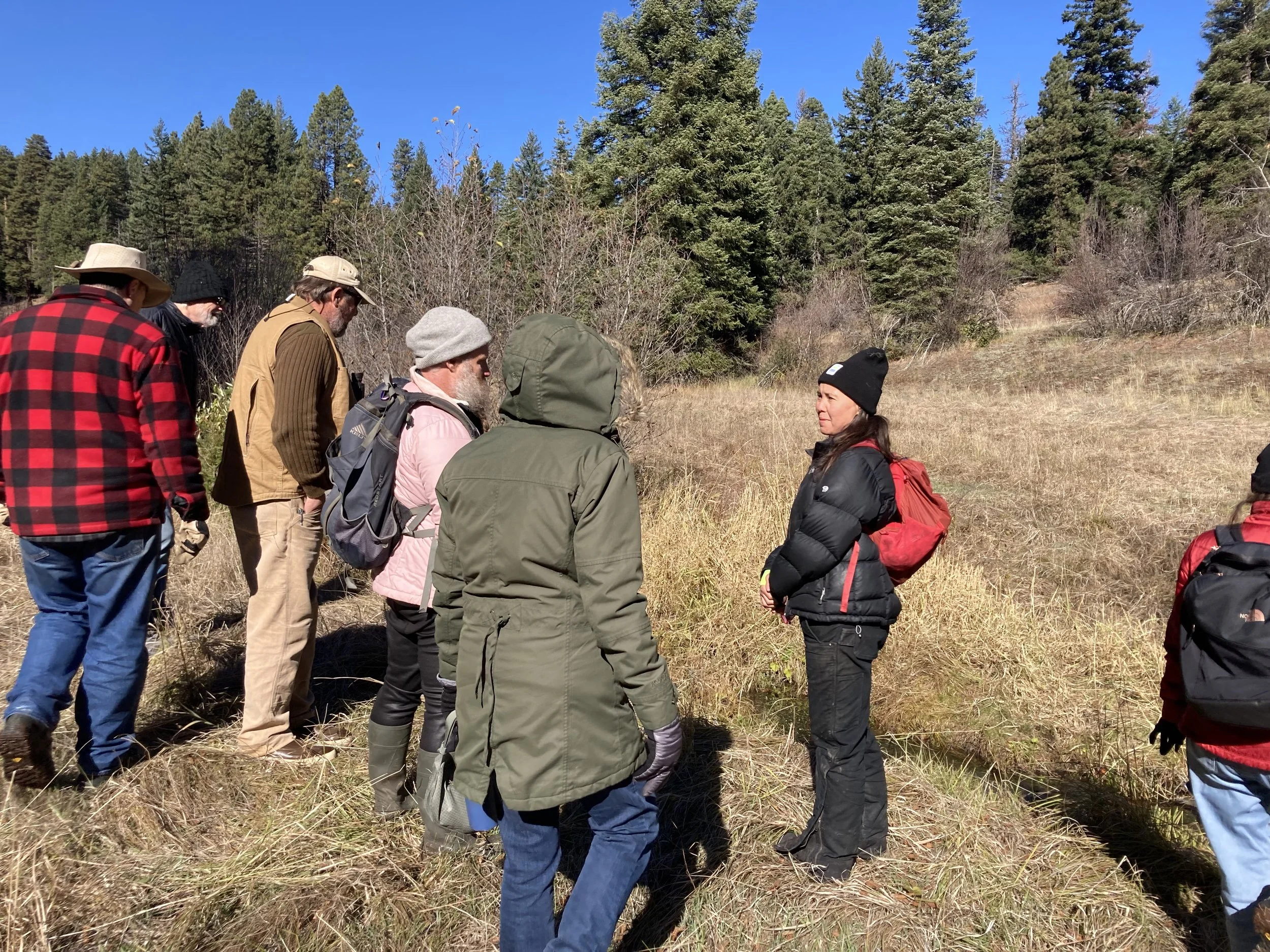
Yet, all was not lost. For those intrepid participants who were up for the challenge of a hike with some snow on the ground, we met at Buck Prairie II at 1:00 PM. There, Stasie Maxwell, FCSNM board member and Indigenous Partnership Programs Manager at Vesper Meadow, led us along Spencer Creek as it passed through the Monument and Vesper Meadow property. There, we were able to observe past structures made from local, natural materials meant to span the creek channel, slowing and spreading the water. We also saw past sloping of the creek bank. As we snaked through the trees, frozen mushrooms peaked out of the snow like time capsules from the last heavy rain. 

Even though our purpose had shifted and the size of our group reduced, the afternoon was filled with insightful questions and joyful curiosity. Zaynab Brown, Program Coordinator for FCSNM, and Stasie painted a picture of a partnership that would further the creation of a landscape that could once again support beavers, the true stewards of our waterways.